
AI at the U Forum Highlights Responsible AI Use Across Research, Teaching, and Operation

AI at the U Forum Highlights Responsible AI Use Across Research, Teaching, and Operation
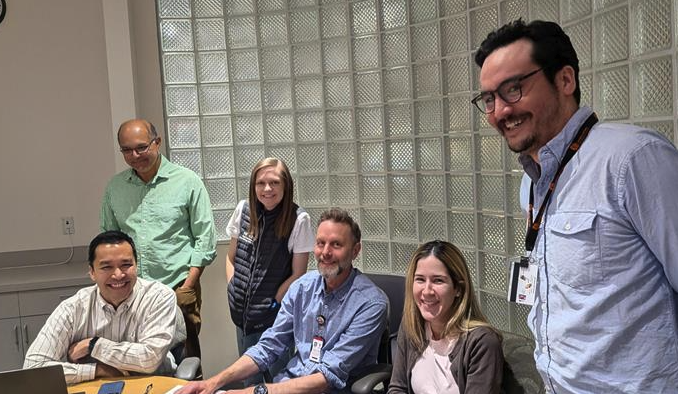
As AI becomes increasingly integrated into healthcare, clinicians need more than technical skills. A recent DBMI workshop gave participants hands-on experience developing AI-powered healthcare solutions while learning how to responsibly evaluate, implement, and apply these emerging technologies in clinical practice.
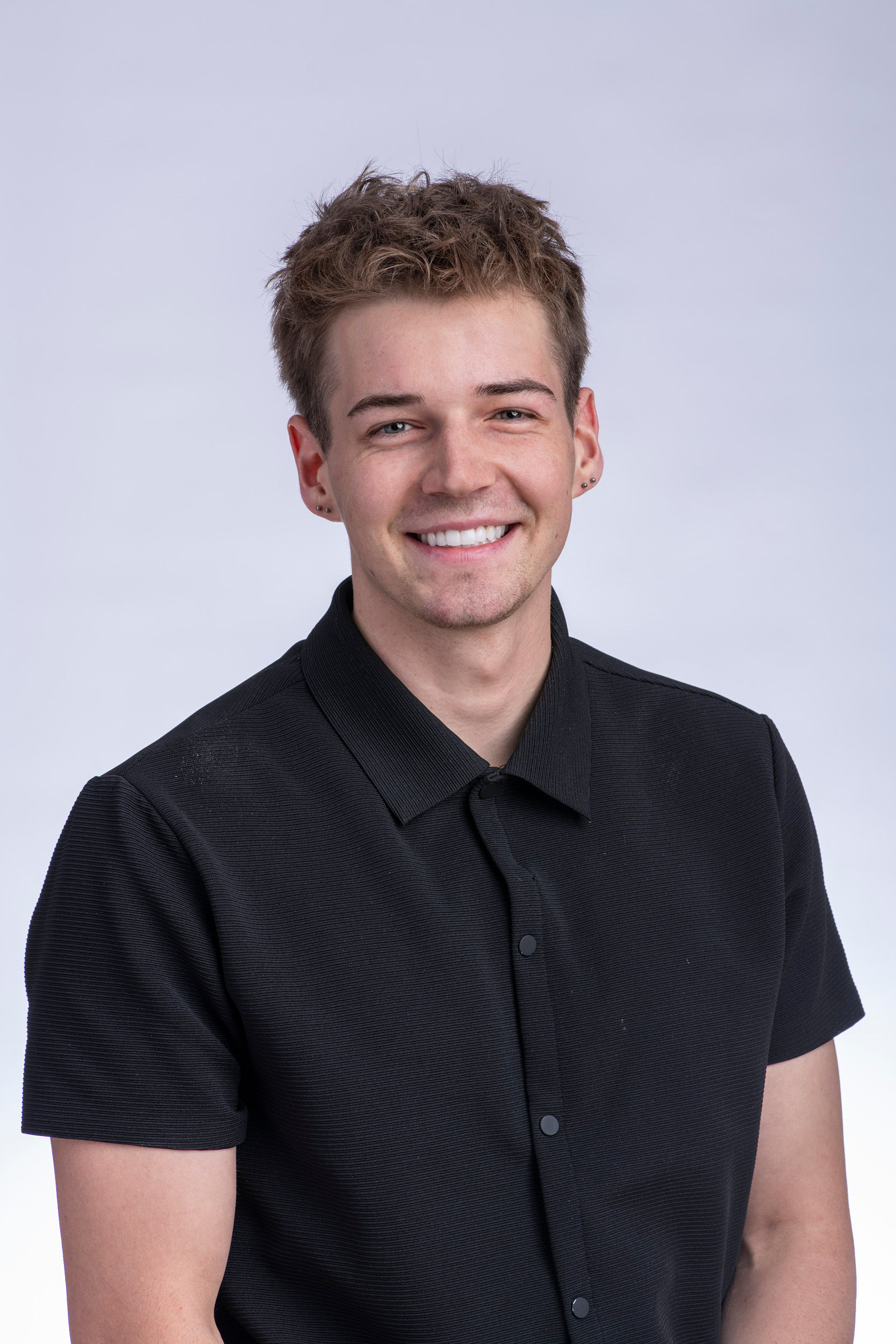
University of Utah student Teddy Wright is helping map AI's impact on the workforce through research that connects real-world AI capabilities to thousands of occupational tasks, informing policy, education, and workforce planning.

Professor Emeritus J. Michael Dean spent decades advancing pediatric clinical research through the University of Utah's Data Coordinating Center. Now in retirement, he's exploring how AI can help accelerate clinical research, streamline workflows, and support lifelong learning through hands-on experimentation and innovation.

To kick off the fall semester, the College of Architecture and Planning convened faculty, staff, and researchers for a forward-looking conversation on AI and the future of design education. The discussion examined emerging opportunities for teaching and research, the importance of responsible AI, and how diverse disciplinary perspectives can help shape the future of these technologies.