
Innovate with AI
University of Utah researchers are increasingly using AI to drive discoveries in their fields. A look at the people, places, and programs across campus leading the charge.


AI In Action
-

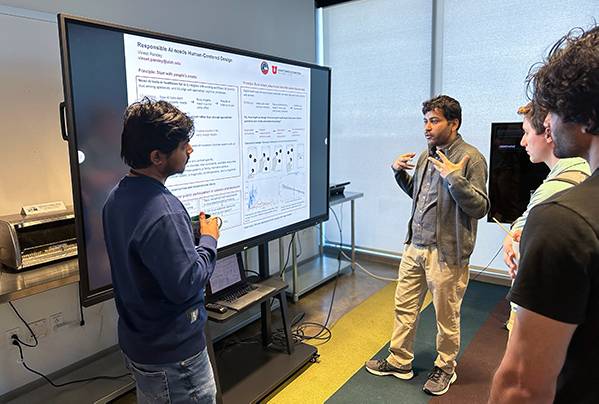
AI at the U Forum: September 16, 2026
AI at the U Forum Highlights Responsible AI Use Across Research, Teaching, and Operation
-
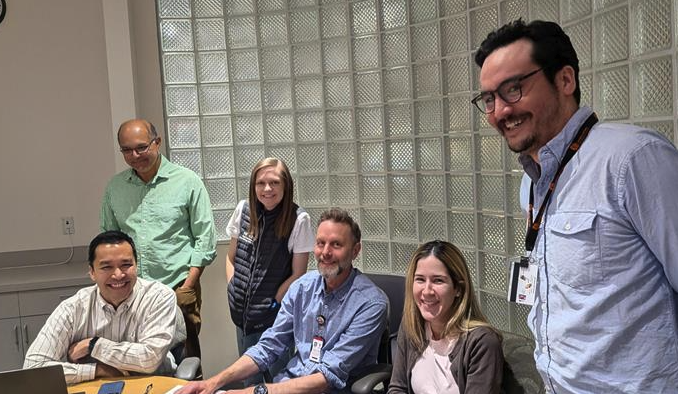
Building AI Skills for the Future of Patient Care
As AI becomes increasingly integrated into healthcare, clinicians need more than technical skills. A recent DBMI workshop gave participants hands-on experience developing AI-powered healthcare solutions while learning how to responsibly evaluate, implement, and apply these emerging technologies in clinical practice.
-

Mapping AI Exposure Across America's Workforce
University of Utah student Teddy Wright is helping map AI's impact on the workforce through research that connects real-world AI capabilities to thousands of occupational tasks, informing policy, education, and workforce planning.

The Office of Research Education
The Office of Research Education (REd) developed an AI Basics digital flipbook featuring research guidance from experts around campus.

Tools and Guidelines
For the latest information about available tools or how employees can use them, see our Tools & Infrastructure or Guidelines & Policies pages.
Tools & Infrastructure
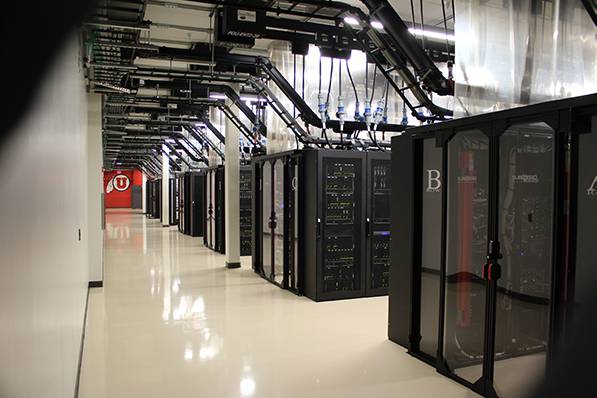
The university has a growing list of AI tools that are approved for conducting university business. Infrastructure also continues to evolve, with the ultimate goal of making AI ready and reliable for everyone.
Guidelines & Policies
Existing policies designed to protect university data and research apply when using AI tools. The AI Office compiles guidelines to provide additional context on how to interpret policies.