
Artificial Intelligence (AI) at the U
Creating a vibrant ecosystem that drives innovation and accelerates the adoption of AI technologies.
The University of Utah, a hub for innovation and excellence, encourages the responsible advancement and use of AI to support research and education and drive societal impact.
Explore the Latest AI Forum
The latest AI forum featured opportunities shaping the future of AI at The U. Attend the next forum Nov 11.

What's New in AI at the U
Stay connected with the latest news, events, stories, and resources from the University of Utah AI community.


News
-

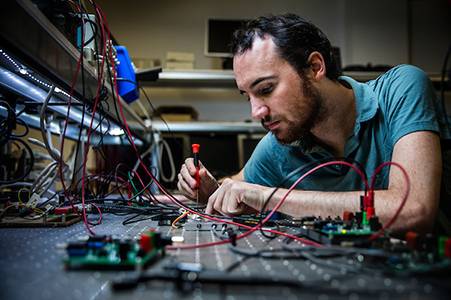
New tool reveals hidden gene switches linked to disease risk
FIRE pairs machine learning with advanced DNA sequencing to help pinpoint the DNA changes behind hereditary diseases—a crucial step toward gene-based therapies.
-

One-U RAI marks three years of milestones, from research to Redtail
At its third annual symposium, One-U RAI celebrated three years of progress and the launch of Redtail, a statewide resource for research, education and pro-human AI.
-

Students build AI-powered solutions for education at Minds and Machines Hackathon
Over 48 hours, the One-U Responsible AI Initiative’s event gathered 102 participants across 26 teams to leverage data science, machine learning and AI to tackle real-world issues in the classroom.
-

Meet the 2026 Innovation Awards Winners
This year’s Innovation Award recipients are redefining what’s possible for some of society’s biggest challenges.